Shipping Household Goods to Hawaii: What You Need to Know
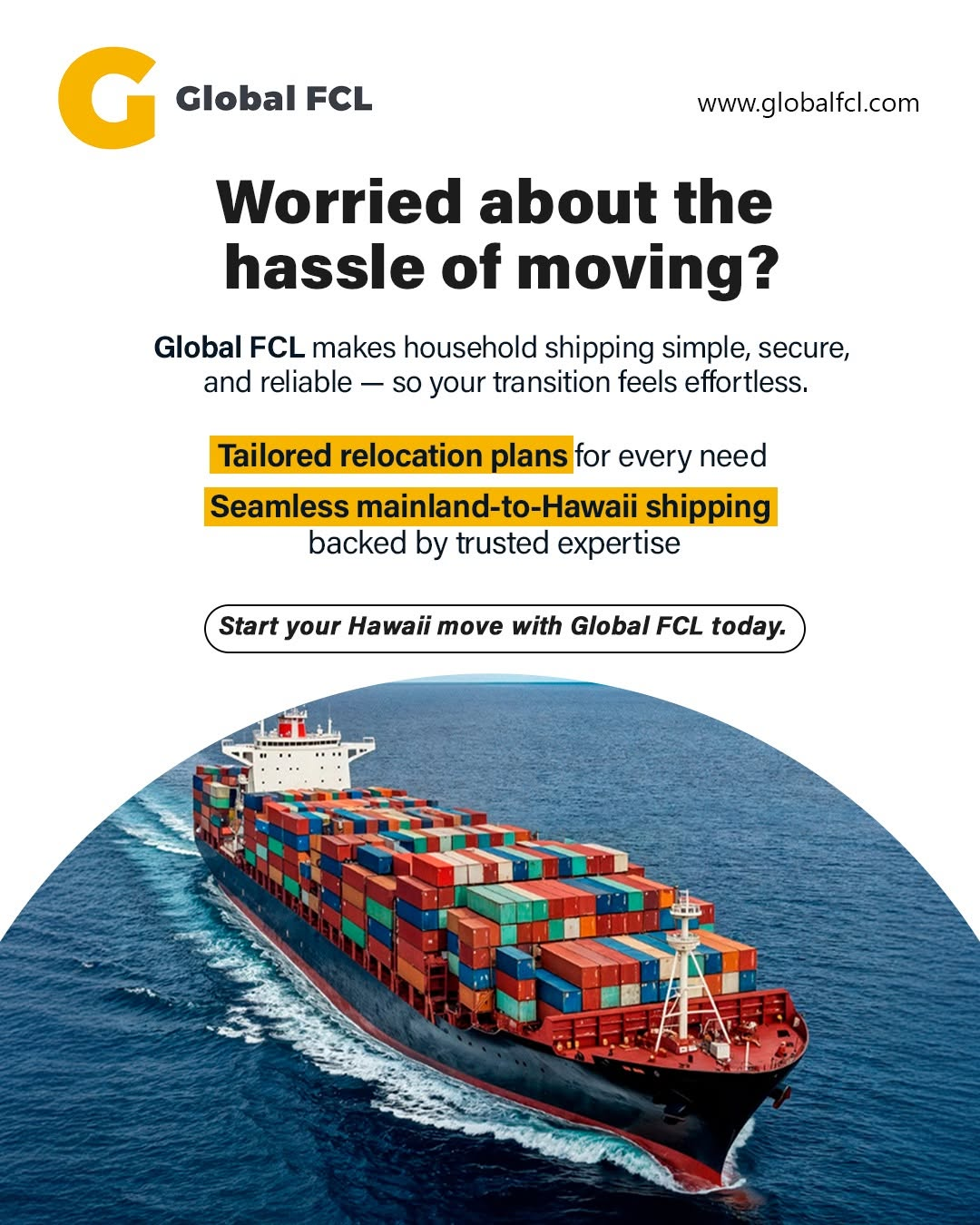
When people ask us how shipping household goods to Hawaii works, here’s the direct answer: because the islands have no road or rail link to the mainland, large household shipments usually travel by ocean freight. Your belongings may move in a dedicated container or share container space with other shipments.
The cost and timeline depend on how much you’re shipping, where your move starts and ends, and which services you choose.
How Do You Ship Household Goods to Hawaii?
Your belongings are packed and transported to a mainland departure port. From there, they travel by vessel to Honolulu or another Hawaii port before being delivered to your new address, depending on the service you book.
You can use a full container for your shipment or consider a shared container if you don’t have enough belongings to fill one. Start with an accurate inventory: it helps us estimate the space you need and compare the available options.
How Much Does Hawaii Household Shipping Cost?
There is no single price for Hawaii household shipping. A quote for a full container depends on its size, your pickup and delivery locations, the amount you’re shipping, and whether you need packing, loading, or other services. Vehicle shipping should also be discussed separately so you understand how it will be arranged and priced.
An inventory can help you decide what is worth bringing. If you’re considering leaving large furniture behind, compare the cost of shipping it with the cost and availability of replacing it in Hawaii. The better choice depends on your belongings and your new home.
How Long Does It Take?
The ocean crossing is only one part of the schedule. Your total timeline also includes arranging pickup, packing, transportation to the departure port, the next available sailing, port handling, and delivery to your new address.
If you’re moving to a neighbor island or using a shared container, allow for any additional steps involved. Ask for an estimated timeline for your specific route, and leave some flexibility before you need your belongings.
Should You Hire Movers to Hawaii or Ship It Yourself?
You may be able to pack your own belongings or choose a service that includes professional packing and loading. The right option depends on your budget, the items you’re shipping, and how much work you want to do yourself.
Experienced movers to Hawaii can help arrange packing, loading, transportation, and delivery. Before booking, confirm exactly which tasks you will handle and which services are included in your quote.
What Should You Know Before You Start Packing?
Hawaii has rules for bringing in agricultural items. Plants, soil, and items that may carry pests need particular attention, so check the applicable requirements before packing them. Some items may be restricted or require inspection.
Prepare an inventory of your belongings and follow the packing requirements for your shipment. Ask how appliances should be prepared, and keep a copy of your inventory and shipment documents for your records.
How Global FCL Can Help
This is where our team at Global FCL comes in. We’re based in Kapolei, Hawaii, and shipping to Hawaii and from the islands is a central part of our work. We offer different service levels and can help you assess whether a full container or a shared load fits your inventory.
From your initial inquiry through the quote and transportation plan, we’ll explain the services available for your move. We can also discuss vehicle shipping and how it would be arranged. Reach out, and we’ll build a plan around what you’re actually shipping.
Frequently Asked Questions
Do I need a customs form to ship household goods to Hawaii?
For a shipment from the U.S. mainland to Hawaii, you do not need international customs clearance because the shipment stays within the United States. You will still need to provide the shipment details requested by your moving company or carrier. Check the rules for any agricultural items before you pack them.
Can I ship my car along with my household goods?
We can discuss arranging both your car and household goods as part of your move. Whether a vehicle can travel inside the same container depends on the carrier, route, and shipment requirements; it should not be assumed. Ask us to confirm how each will be shipped and priced
What size shipping container do I need?
That depends on the volume of your belongings. A 20-foot container may suit some moves, while a larger household may need a 40-foot container. If your shipment is smaller, a shared-container option may be worth considering. We can help estimate the space you need from your inventory.
